

Bruce Weber: the elegance of rebelliousness and the sensuality of fashion photography
23.09.2025
Steven Maisel: Fashion photography genius and chronicler of cultural change
23.09.2025Bruce Weber: the elegance of rebelliousness and the sensuality of fashion photography
23.09.2025Steven Maisel: Fashion photography genius and chronicler of cultural change
23.09.2025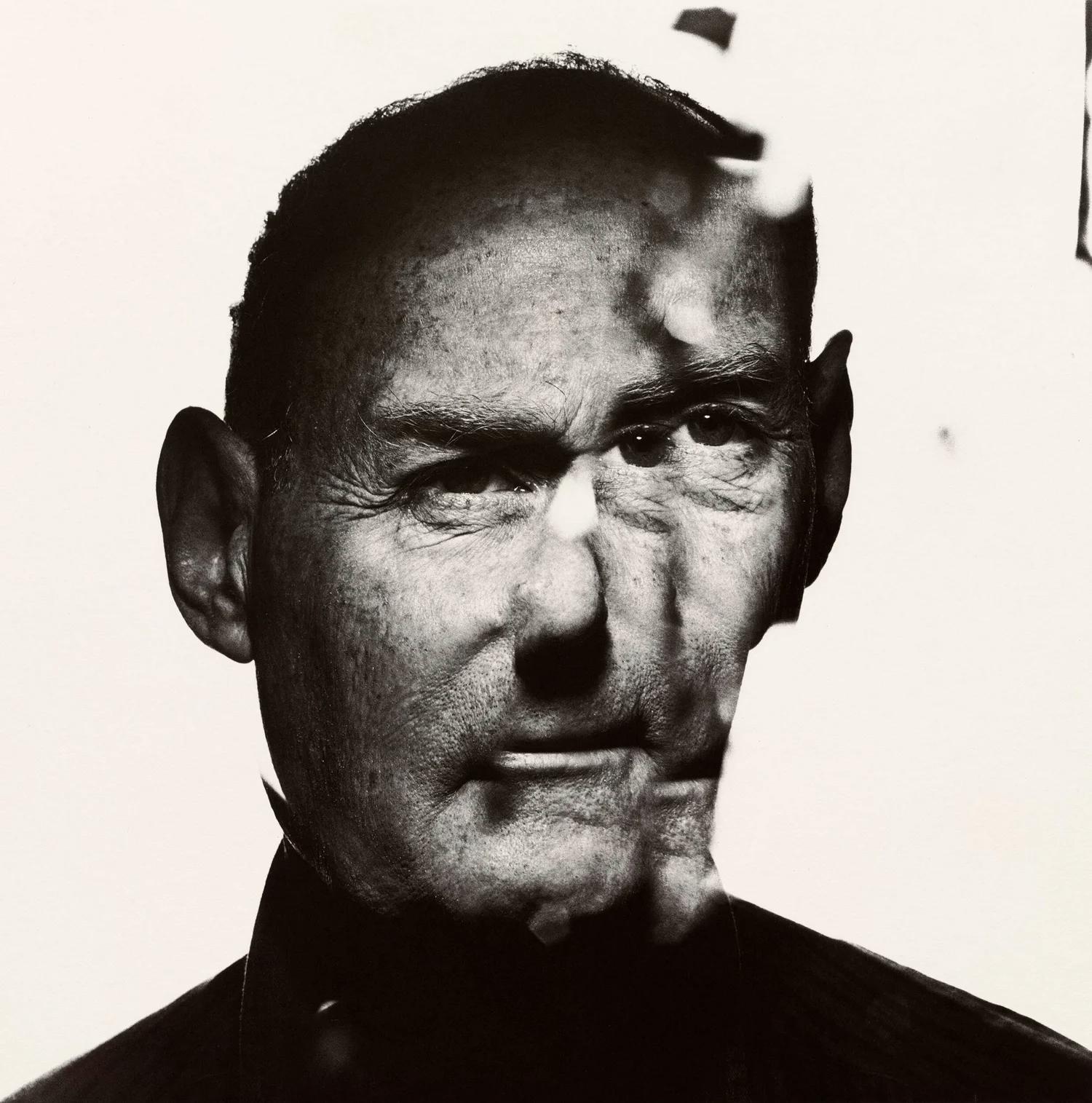
Irving Penn is one of the most influential and significant fashion photographers of the 20th century, whose work has left an indelible mark on the history of the fashion industry and photography in general. His unique style, subtle sense of composition and uncompromising pursuit of perfection made his name synonymous with classical elegance and artistic depth. In this article, I will consider the key points of Irving Penn's biography, the features of his style and contribution to the development of fashion photography.
Early years and taste formation
Irving Penn was born in 1917 in Patterson, New Jersey. Educated at the Philadelphia Institute of Art, he went on to study at the prestigious Parsons School of Design in New York, where he began experimenting with various art techniques. In 1943, Penn began working with Vogue magazine, which marked a turning point in his career and paved the way for him to create new visual images of fashion.
Characterization of Penn's style
Irving Penn's work distinguishes:
Minimalism and conciseness: Penn paid great attention to the purity of the line and form, using simple but expressive compositions, often with a very restrained background. His photographs are almost intuitively close to classical painting.
Careful elaboration of details and light: the master played with contrasts and soft shadow gradation, which gave his pictures volume and depth.
Portraiture and intimacy: Outside of fashion shoots, he created portraits of people of different social strata with a unique ability to see the human essence in them.
Experiments with formats: from classic black and white photos to collages and prints made with unusual accuracy.
Contribution to fashion photography
Irving Penn became an innovator by reimagining traditional fashion photography. His work at Vogue, beginning in the 1940s, set new standards:
He eschewed overloaded sets and elaborate productions in favor of simplicity and a focus on model and clothing.
He created numerous cult images of celebrities and models, including Catherine Deneuve, Liza Minelli, Coco Chanel and many others.
Its advertising campaigns for top brands such as Chanel, Christian Dior and Estée Lauder have become examples of the harmonious mix of art and commerce.
Notable projects and series
"Small Trades": a series of portraits of workers in traditional costumes that combines documentary and artistic photography.
Celebrity portraits: Carefully calibrated, concise and expressive, they show a deep understanding of character and status.
Still lifes and photographs of objects: an exploration of form and texture, where everyday objects are turned into works of art.
Legacy and impact
Irving Penn left not only a huge photo chronicle of fashion, but also inspired many generations of photographers due to his approach to composition, lighting and aesthetics. His work is exhibited in major museums in the world, such as the Metropolitan Museum of Art in New York, and his style continues to serve as a guide for those who seek to combine aesthetics and meaning.
Irving Penn is a classic of fashion photography, whose work combines simplicity and depth, commercial and artistic value. Its visual language, based on minimalism and rigor, is still relevant and inspires contemporary fashion and art. Studying Penn's work helps to understand how photography can be a powerful tool for conveying style, culture and human personality.